Local Spider Control Guelph for Reliable Spider Treatment and Pest Solutions
Local Spider Control Guelph for Reliable Spider Treatment and Pest Solutions
Blog Article
Spiders play a useful role outdoors, but indoor spiders, recurring spider webs, and egg sacs can indicate a broader pest issue. A growing spider population often means the building also has a steady supply of insect prey, open entry points, or damp harbourage areas.
Professional Spider Control Guelph services help you identify the cause, remove active spiders and webs, and limit the conditions that support continued activity. A skilled technician can check a home, office, retail space, warehouse, or other property and recommend a treatment plan tailored to the building.
Mosquito Man is one business name connected with pest service. Regardless of provider you choose, ask specific questions about the inspection, products, safety steps, follow-up service, and prevention work included in your service estimate.
The Reasons Expert Spider Control Matters
A few outside spiders may not require treatment. A spider infestation inside a building requires prompt attention, especially when you notice new webs each day, several spiders in different rooms, or egg sacs near windows and storage areas.
Spiders often track their food source. If flies, moths, ants, or other insects move into a building, spiders may settle nearby. Removing visible spider webs without dealing with insect activity can provide only temporary relief.
Professional pest control focuses first on finding the conditions that attract spiders. A technician examines foundation cracks, window frames, storage areas, lighting, and damp spaces. This approach supports property protection by addressing both the visible pest and the conditions behind it.
DIY sprays may also create problems. Spraying every corner without identifying the species or active areas can expose people and pets to unnecessary product. It may force spiders into less visible spaces. A trained spider exterminator can select a targeted application and explain what you need to do before and after treatment.
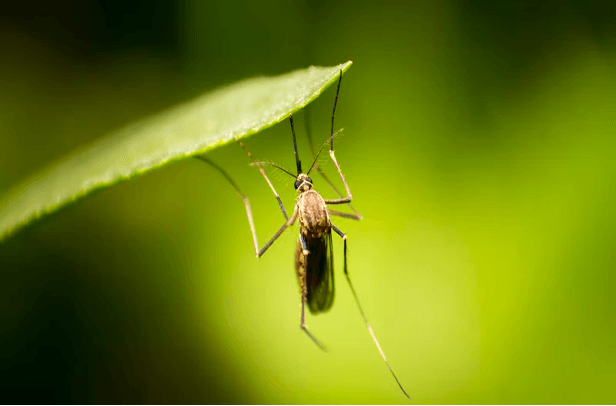
Typical Spiders Seen Outside Buildings
Different spiders move in several ways. Accurate pest identification work shows whether the best next step is web removal, moisture control, insect reduction, exclusion work, or a planned spider treatment.
- House spiders: These frequent indoor spiders build irregular webs in secluded corners, window frames, garages, and storage rooms. They usually steer clear of people but can become a problem when populations increase.
- Cellar spiders: Often called daddy longlegs, cellar spiders have thin legs and compact bodies. They favor cool, damp areas such as basements, crawl spaces, utility rooms, and unfinished storage areas.
- Wolf spiders: Wolf spiders hunt instead of relying on a web to catch prey. They may come in through door gaps, foundation cracks, garage openings, and poorly sealed windows. Their size can make them alarming, even though they generally avoid contact.
- Black widow spiders: Black widow spiders are seen less often than many other species, but they require careful handling. They prefer dark, sheltered areas and should not be handled. A suspected black widow should be reported a licensed pest control technician.
Outdoor spiders may also gather use this link around exterior lights, eaves, railings, sheds, and building entrances. Their presence often comes after flying insects drawn to light. A proper assessment separates harmless outdoor activity from an indoor infestation.
Clues You May Need Spider Treatment
Seeing spiders by itself do not always mean that a building needs chemical treatment. The overall pattern is important. Watch for the following clues:
- Web growth: New webs reappear shortly after cleaning, form near several windows, or extend over outside doors and light fixtures.
- Egg sacs: A single egg sac can contain numerous young spiders. Finding egg sacs in basements, garages, wall voids, or stored items points to an established breeding area.
- Seeing spiders: Repeated sightings in different rooms suggest that spiders have several routes or harbourage areas inside the property.
- Insect presence: Flies, moths, ants, and other insect prey can support an ongoing spider population. Managing that food source is part of effective pest control.
Track the time and place of each sighting. Seeing spiders near a door after dark may point to outdoor lighting and a door sweep problem. Finding them in a damp basement may indicate basement moisture, clutter, or gaps around pipes. Tell the pest inspector about these details.
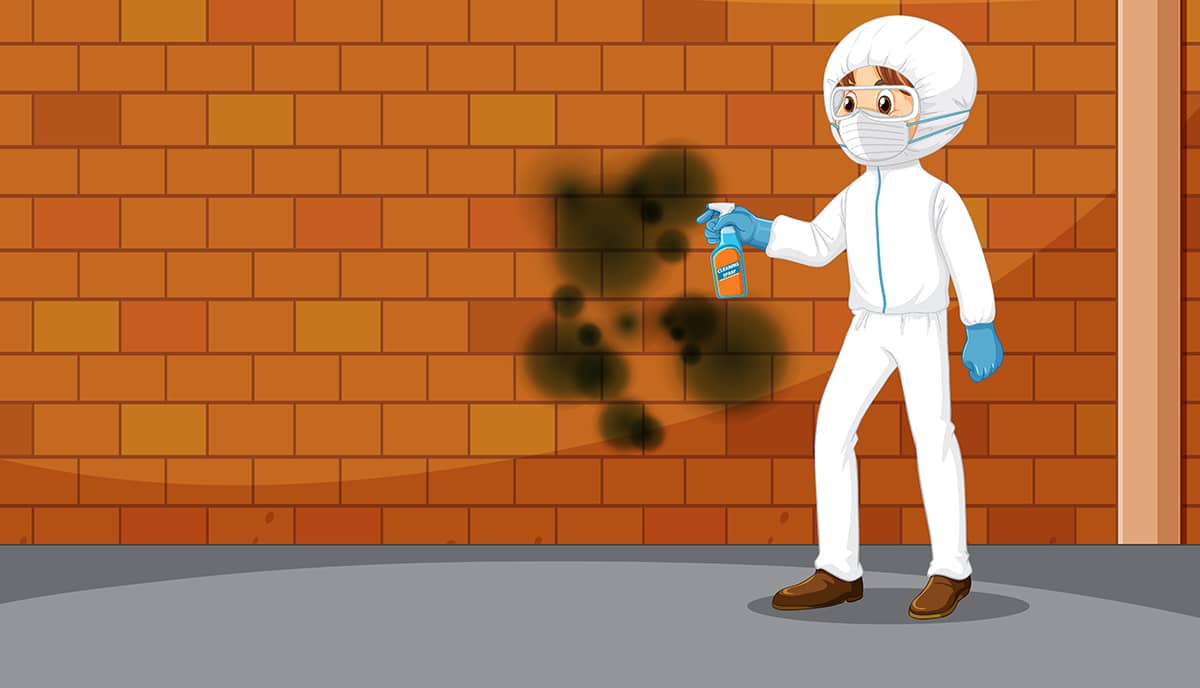
How Expert Spider Control Operates
A qualified service should follow organized stages. The technician opens with an inspection, verifies pest identification, chooses a targeted treatment, and describes any follow-up service needed.
The exact plan varies with the building, spider species, activity level, and access to affected areas. A small residential issue may need one focused visit and basic exclusion advice. A large commercial property may require planned monitoring and repeated exterior service.
Inspection and Risk Assessment
The first step is a building inspection. The technician looks for entry points around doors, windows, vents, utility lines, foundation cracks, and roof edges. Window screens and door sweeps receive close attention because small openings can provide regular access.
The assessment also covers harbourage areas. Common examples include stacked materials, unused equipment, cardboard, dense vegetation, exterior storage, basement corners, and spaces under shelving. Spiders prefer areas that remain calm and quiet.
Moisture sources can support both spiders and their insect prey. The technician may check leaking pipes, condensation, poor drainage, damp storage rooms, and basement moisture. Moisture control, ventilation, and repairs can ease pressure on the building before treatment begins.
A risk assessment should also consider the people and animals using the property. Homes with young children, pets, or sensitive occupants need clear product and re-entry information. Workplaces may require scheduling outside business hours.
Web Removal and Targeted Applications
Web removal clears visible spider webs from eaves, corners, windows, door frames, light fixtures, and other surfaces. Removing webs also removes trapped insects and egg sacs when the technician can safely reach them.
A technician may apply a residual insecticide to selected areas where spiders travel or rest. The product and placement should follow the label, the surface, and the pest identified during inspection. A safe application avoids broad spraying.
Targeted crack and crevice treatment focuses on narrow spaces around trim, foundations, utility penetrations, and other sheltered locations. This method directs product where spiders and insects are more likely to move, while limiting contact with open surfaces.
Treatment around the exterior may cover the exterior perimeter, entry areas, eaves, foundation line, and other activity zones. It works best together with practical changes such as sealing gaps, reducing clutter, and managing outdoor lights.
Some homes and buildings need a follow-up inspection. This visit checks whether activity has declined, whether new webs have appeared, and whether additional treatment or exclusion work is appropriate.
Spider Pest Management for Houses
Homes often develop spider problems in lower levels, garages, outbuildings, attics, and undisturbed storage areas. These locations create shelter and may have easy connections to the outdoors.
Start by reducing clutter and storing items in sealed plastic containers. Keep stored materials away from walls where practical. Remove visible spider webs and spiders, but refrain from handling unknown species or egg sacs directly.
Inspect windows and doors for damaged screens, poorly fitted frames, and damaged door sweeps. Block gaps around pipes and wiring. Fix foundation cracks when possible. A technician can spot less obvious entry points during a pest inspection.
Safety in your home should guide every treatment decision. Inform the provider about children, pets, aquariums, allergies, and rooms that require special care. Find out whether a pet-safe pest treatment is suitable for your property and what restrictions apply after application.
Professional Spider Control for Companies
Commercial buildings face added pressure because staff, customers, deliveries, lighting, and extended hours can create several entry points for pest access. Offices, restaurants, warehouses, retail spaces, and industrial buildings may each need a separate approach.
Spider webbing in customer-facing areas can change the appearance of a business. Activity around entrances, signs, windows, loading doors, and outdoor seating may also create complaints. Workplaces need treatment that works around schedules and limits disruption to regular work.
Business pest management should include recorded observations, treated areas, details about products, and next steps. A pest management plan may combine monitoring, cleaning, entry-point sealing, web removal, insect control, and planned exterior treatments.
Businesses should also check storage methods and waste handling. Stored cardboard, food scraps, standing water, and neglected outdoor areas can attract more insects. Lowering the insect food supply makes long-term spider prevention more effective.
Reducing Spiders from Returning
Spider prevention works best as a series of small property improvements rather than a single spray. Start with the building and the conditions around it.
- Closing openings: Repair foundation cracks, block openings around cables and pipes, install window screens, and replace damaged door sweeps.
- Exterior lighting: Use fixtures that minimize attraction to flying insects near entrances. Shut down unnecessary lights when the property is closed.
- Plant control: Keep branches, vines, and dense plants from touching walls, windows, and roof edges. Remove leaf litter from areas beside the foundation.
- Sanitation: Keep waste containers closed, remove food residue, clear clutter, and take away stored materials that create sheltered spaces.
Inspect exterior areas regularly during warmer months. Brush away spider nests and webs from accessible surfaces before they spread. If activity reappears fast, schedule a follow-up inspection instead of repeatedly treating visible webs alone.
Service Safety for Children, Pets, and Staff
Good pest management addresses exposure risk from the start. Integrated pest management combines inspection, prevention, monitoring, sanitation, exclusion, and carefully selected treatment. It does not depend on routine spraying in every area.
Low-risk treatments may be appropriate for some situations, but “low-risk” does not mean risk-free. Product choice depends on the pest, location, surface, occupants, and label directions. A pet-safe pest treatment still requires the stated precautions.
Before service, ask what must be removed or covered. Food, dishes, toys, pet bowls, and personal items may need protection. Staff should know which rooms or exterior areas will be treated.
Follow all re-entry instructions. The technician should explain when people and pets can return, whether treated surfaces must remain undisturbed, and whether ventilation is needed. Product labels provide the legal directions for use, storage, and handling.
When to Arrange Professional Spider Removal
Schedule professional spider removal when activity persists after cleaning and basic repairs, when you find repeated egg sacs, or when spiders appear throughout the building. Recurring infestations often signal hidden access, damp conditions, or a large insect food source.
Large spider populations also call for prompt service. A technician can work more safely and efficiently in areas with many webs, active spiders, or difficult access. Hard-to-reach webs around rooflines, tall ceilings, eaves, and commercial equipment should not be handled without suitable equipment.
Contact a licensed pest control technician if you believe you have black widow spiders, cannot identify the species, or need treatment in a workplace. Ask for a written service estimate that outlines the inspection, treatment areas, preparation steps, and follow-up plan.
Spider Control Cost and Service Expectations
Treatment pricing varies because no two properties have the same requirements. A provider may review property size, infestation severity, building layout, access, treatment method, and the amount of web removal or exclusion work needed.
A small home with activity limited to a few exterior entry points may require less work than a large property with several buildings, dense vegetation, and ongoing insect activity. Commercial properties may also need records, scheduled visits, and service outside normal business hours.
Service frequency depends on the source of the problem. One focused treatment may handle a limited issue. Recurring infestations, high exterior activity, or conditions that cannot be corrected quickly may call for monthly, seasonal, or scheduled preventive pest management.
Ask whether the quote includes a pest inspection, web removal, targeted application, exterior perimeter work, and follow-up inspection. Confirm any preparation requirements before booking. A clear estimate helps you compare service plans based on the work provided rather than price alone.
Common Questions
What types of spiders are common in Guelph?
Spiders commonly found around buildings include house spiders, basement spiders, and ground-dwelling wolf spiders. Black widow spiders are less common, but any suspected black widow should be assessed by an expert. Correct identification helps determine the proper spider treatment and prevention plan.
Are spiders in Guelph dangerous?
Most spiders found around homes and businesses are not dangerous and prefer to avoid people. Bites are uncommon, but some species can cause a more serious reaction. Do not handle an unidentified spider. Seek medical advice for severe pain, swelling, breathing trouble, or other concerning symptoms.
What can I do to keep spiders out of my home?
Close gaps around doors, windows, vents, pipes, and foundations. Repair window screens, install door sweeps, reduce clutter, manage vegetation, control basement moisture, and limit outdoor lighting near entrances. These steps limit hiding places and insects that attract spiders.
When should I call a spider control professional?
Call a professional when sightings are regular, webs reappear quickly, egg sacs appear, activity continues after cleaning, or spiders are present in inaccessible areas. Professional help is also appropriate when you need pest control for a business, species identification, or a planned spider treatment for a home or workplace.
How much does spider control cost in Guelph?
The cost depends on the size of the property, infestation severity, access, treatment areas, web removal, and service frequency. Ask for a service estimate after the inspection. The provider should explain which services the price includes and whether follow-up visits or preventive pest management are included.
Report this page